Where Boys Become Leaders.
What We Offer
Troop 478 offers an active, outdoor-focused program designed to help Scouts build skills, confidence, and leadership over time. While specific plans vary from year to year, the overall structure of the program remains consistent and predictable. Our Scouts develop real skills, experience real adventure, and have real responsibility.
-
Advancement is an important part of Scouting and is designed to support personal growth, leadership development, and skill-building over time. In Troop 478, advancement is Scout-driven, with support from youth and adult leaders.
The Scouts BSA advancement path progresses through the following ranks:
Scout, Tenderfoot, Second Class, and First Class
These early ranks focus on learning basic outdoor skills, teamwork, and participation in the troop program. They help Scouts become comfortable and capable in Scouting activities. Reaching First Class equips Scouts with the skills and confidence to lead, teach, and pursue greater challenges within the troop.Star and Life
At these ranks, Scouts take on increased responsibility, leadership roles, and service. Scouts begin to apply what they have learned while helping others grow.Eagle Scout
Eagle Scout is the highest rank in Scouts BSA. It represents sustained commitment, leadership, service, and personal growth over time, including the planning and completion of a significant service project.Advancement is not a race. Scouts progress at different paces based on their interests, availability, and readiness. Scouts are encouraged to take ownership of their advancement, ask for help when needed, and focus on growth rather than speed.
-
Troop meetings are held on Monday evenings from 7:00–8:00 PM (occasionally running until 8:15PM) at the Scout Hut located directly behind Spring Branch Presbyterian Church. The meeting schedule generally follows the Spring Branch ISD calendar, with planned breaks for major school holidays and summer periods. Specific meeting dates are always reflected on the troop calendar.
Meetings are planned and led by the Patrol Leaders’ Council (PLC) and typically include skills instruction, patrol activities, planning, and preparation for upcoming outings. This is where Scouts practice leadership, teamwork, and communication. Active participation helps Scouts stay connected to their patrol and better prepared for campouts and other activities.
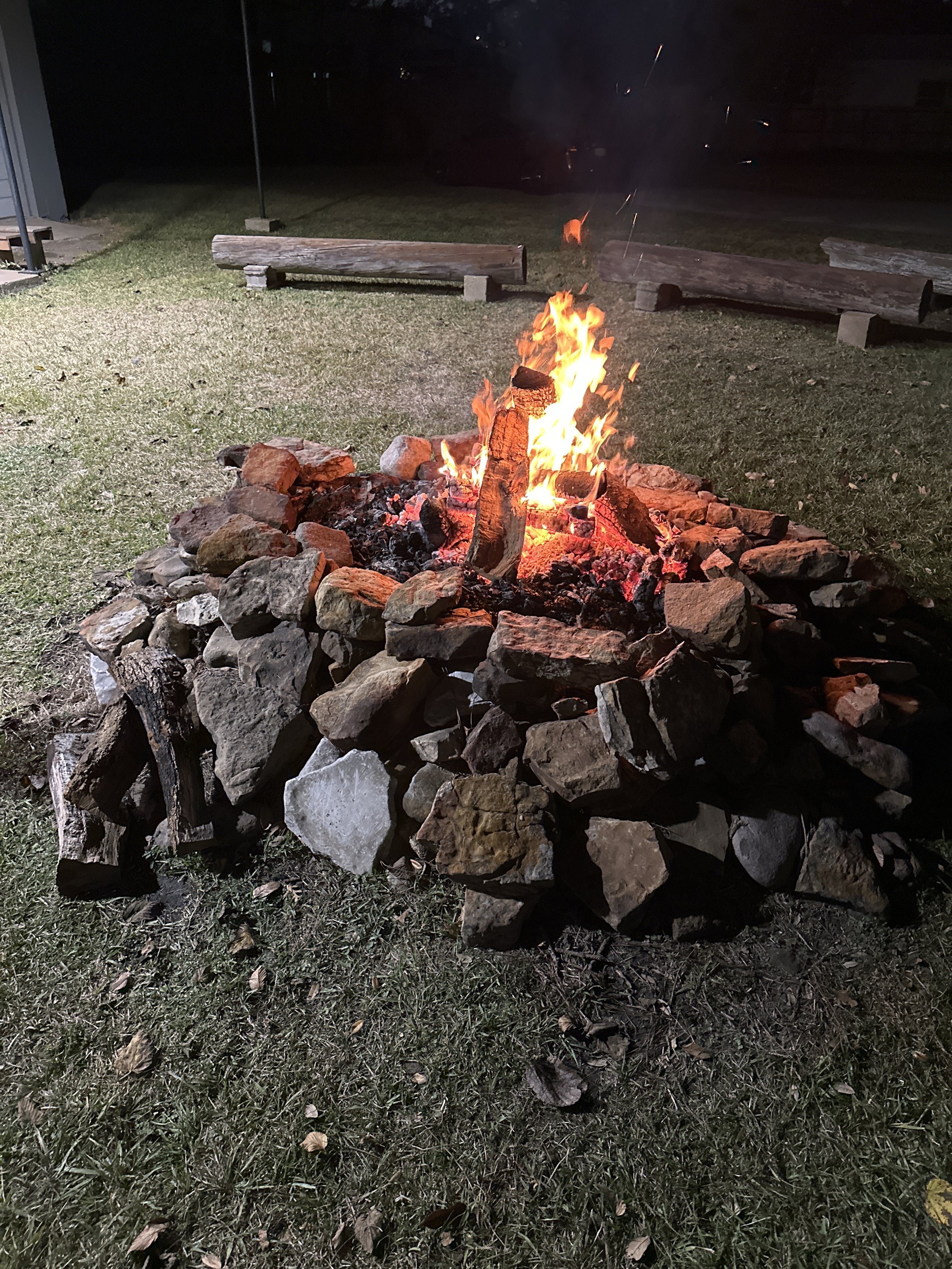
Our program is built on Scouting's foundational outdoor skills: navigation, fire craft, first aid, wilderness cooking, knot work, and shelter building. These are not nostalgic exercises. They are practical competencies that build confidence, problem-solving ability, and physical capability in young men. We teach them the way they were meant to be taught -- outdoors, by doing, with real consequences for getting it wrong and real satisfaction in getting it right. We also recognize that the world our Scouts are growing up in is different from the world Scouting was founded in. We use modern tools where they add value, communicate through platforms families already know, and plan programs that reflect the adventures available to young people today. The core never changes. The application evolves.
-
To support new Scouts and those working on foundational skills, Troop 478 offers First Class Emphasis (FCE) training on Mondays from 6:15–7:00 p.m., immediately before the main troop meeting. These sessions focus on core outdoor and Scout skills and are designed to help newer Scouts build confidence and competence as they integrate into the full troop program.
Participation in FCE sessions is encouraged for new Scouts, but advancement remains Scout-driven.
-
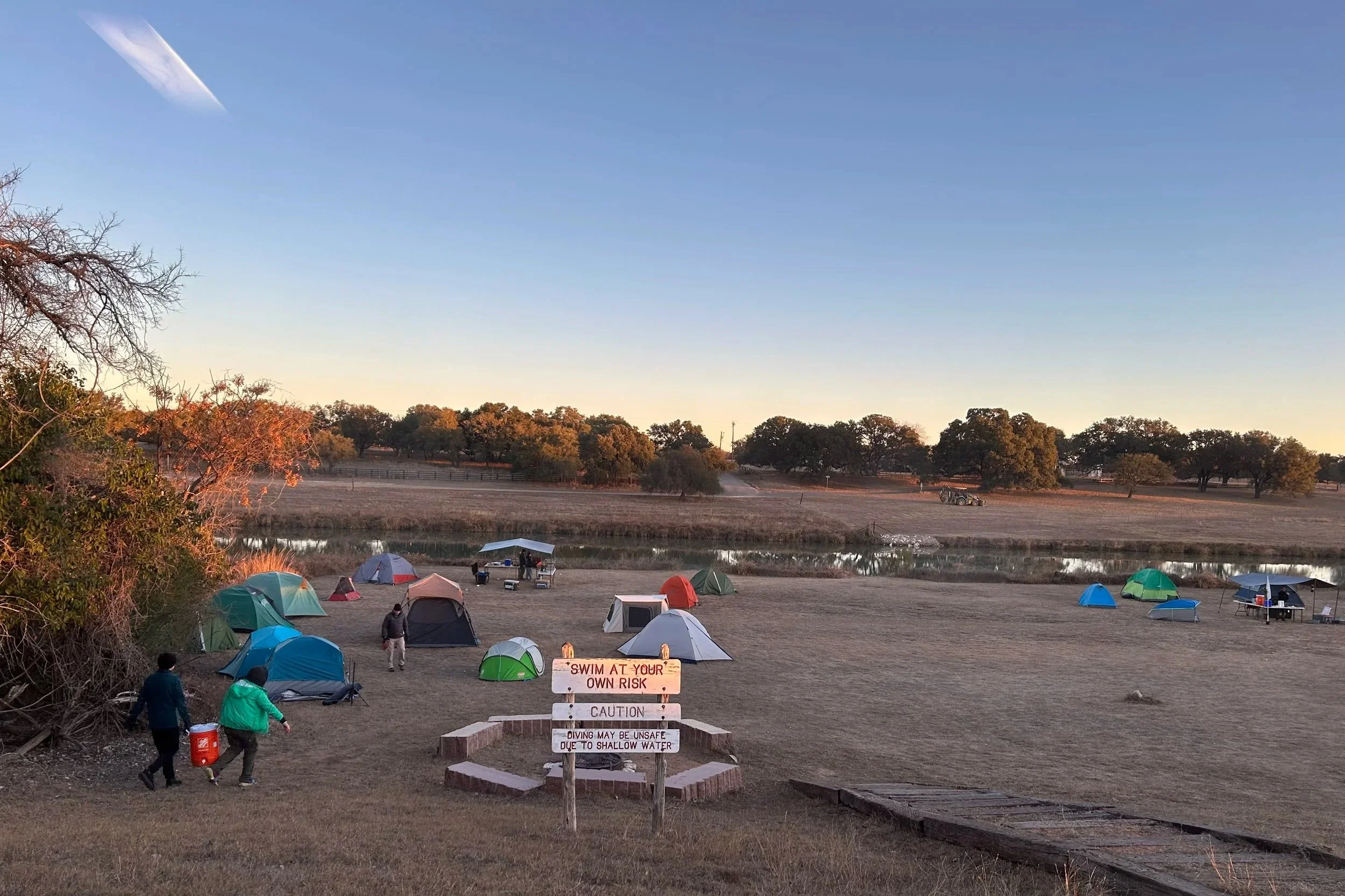
Camping is central to the Troop 478 experience. The troop typically conducts one campout per month, with outings ranging from one to two nights at locations usually located within a one- to three-hour drive of the Scout Hut.
Past locations include:
Brazos Bend State Park
Cagle Recreation Area
Camp Strake
Double Lake
Enchanted Rock
Galveston State Park
Huntsville State Park
LBJ/Pedernales Falls State Park
Lost Maples State Park
Martin Dies Jr. State Park
McKinney Roughs/Lost Pines
Somerville State Park
Stephen F. Austin State Park
Tellepsen Scout Camp
Village Creek State Park
Assorted Private Ranches
Campouts are planned by the Patrol Leaders’ Council (PLC) and are designed to give Scouts regular opportunities to practice outdoor skills, leadership, teamwork, and responsibility in real settings.
Upon arrival at camp, each patrol sets up and operates its own campsite area. Patrols plan and prepare their own meals, follow their duty rosters, manage equipment, and function as independent teams throughout the outing. This is a key part of how Scouts learn leadership and self-reliance.
When camping, Scouts typically share a tent with their buddy or another Scout from their patrol. This supports the buddy system, encourages teamwork, and helps ensure safety and accountability during overnight activities. Tent assignments are coordinated by youth leaders, with adult oversight as needed.
In keeping with Scouting America youth protection guidelines, Scouts do not camp alone, and tent buddies must be within two years of age of one another. Youth leaders coordinate tent assignments, with adult oversight, to ensure these standards are met.
Adult leaders camp in a separate area from the Scouts, close enough to provide supervision and support when needed, but far enough to allow patrols to operate independently. Adults serve as coaches and safety monitors rather than directors of patrol activities.
Registered parents and family members are welcome to attend troop campouts, particularly to support new Scouts or to better understand how the troop operates. Adults who attend campouts are expected to respect the Scout-led nature of the program by allowing patrols and youth leaders to plan, lead, and solve problems independently. Parents camp in the adult area, follow all safety and training requirements, and support the program through observation, encouragement, and appropriate adult roles rather than direct involvement in patrol activities.
-
Troop 478 attends one Scouting America summer camp each year, typically lasting seven to ten days. Summer camp is a highlight of the Scouting experience and is strongly encouraged for all Scouts who can attend.
To provide a high-quality outdoor experience, summer camp destinations are often a one-to-two-day drive from the Scout Hut (alternating locations to the East, North and West), allowing the troop to camp in cooler climates and explore new regions beyond Texas. The journey itself is part of the experience, and the troop typically spends the first night traveling at a church or youth organization on the way to camp.
At summer camp, Scouts are given meaningful choice and independence. Each participating Scout selects their own focus areas, which may include merit badges, outdoor programs, leadership opportunities, and specialty activities. This allows Scouts to pursue individual interests while still participating fully in the patrol and troop experience.
Past locations include:
2026- Camp Alexander, CO
2025- Kia Kima, AR
2024- Camp Daniel Boone, NC
2023- Camp Cris Dobbins, CO
2022- Camp Woodruff, GA
2021- Camp Alexander, CO
2020- *cancelled due to Covid
2019- Camp Woodruff, GA
2018- Camp Cris Dobbins, CO
2017- Camp Orr, AR
-
Troop 478 offers an annual high-adventure opportunity for older, more experienced Scouts who are ready for greater challenge and responsibility. These trips are designed to reward sustained participation, leadership growth, and commitment to the Scouting program.
Our high-adventure program rotates primarily among Scouting America’s four premier national high-adventure bases annually: Northern Tier (2026), Philmont Scout Ranch (2027), Summit Bechtel Reserve (2028), and Sea Base (2029). These experiences are often referred to collectively as Scouting’s “grand slam” and offer distinct environments and challenges, including backpacking, sailing, paddling, and wilderness travel.
High-Adventure trips require additional preparation, training, physical readiness, and commitment. Participation is typically limited to Scouts who meet age, rank, and readiness expectations and who demonstrate the maturity needed for extended, demanding outings. Specific eligibility requirements and preparation plans are communicated well in advance.
These experiences represent some of the most challenging and rewarding opportunities in Scouting. High adventure builds resilience, teamwork, leadership, and confidence while often becoming a defining part of a Scout’s journey.
As with summer camp, high-adventure trips involve additional costs and require registered, trained adult participation to maintain youth protection and safety standards. Specific details are communicated well in advance.
Past Adventures Include:
2026- Northern Tier
2025- Sea Base, St. Thomas
2024- Philmont
2023- Northern Tier
2022- Summit Bechtel Reserve, New River Trek
2021- Philmont
2020- Sea Base, Key West
2019- Philmont
2018- Northern Tier
2017- Philmont
Our Process
Troop 478 is designed to give Scouts real responsibility in a setting that is safe, supportive, and intentionally structured. While adults provide guidance and oversight, the program itself is led by Scouts.
The Patrol Method
Scouts in Troop 478 are organized into small teams called patrols which are the foundation of the troop experience. Scouts camp together, cook together, plan together, and solve problems together within their patrol.

Elected Leadership
Each patrol is led by a Patrol Leader who has been elected by their peers. This role gives Scouts their first real opportunity to lead others, make decisions, and learn from the outcomes.
Patrol Leaders are typically Scouts with enough experience and maturity to guide others and are supported by more experienced Scouts and adult leaders as they grow into their responsibilities.

Patrol Leaders’ Council
In addition to patrol leadership, Troop 478 is led by Scouts at the troop level. The Senior Patrol Leader (SPL) is elected by the Scouts of the troop and serves as the top youth leader. The SPL is supported by the Assistant Senior Patrol Leader (ASPL) who is also elected by the Scouts.
Together, the SPL and ASPL lead the troop through a group called the Patrol Leaders’ Council (PLC). This is where most program decisions are made.

Plan with Purpose
The PLC is responsible for planning troop activities, meetings, and outings with support from adults. Leadership at this level is expected to be imperfect and is part of the learning process.
When things go well, Scouts take pride in their success. When things don’t go as planned, Scouts learn, adjust, and try again.
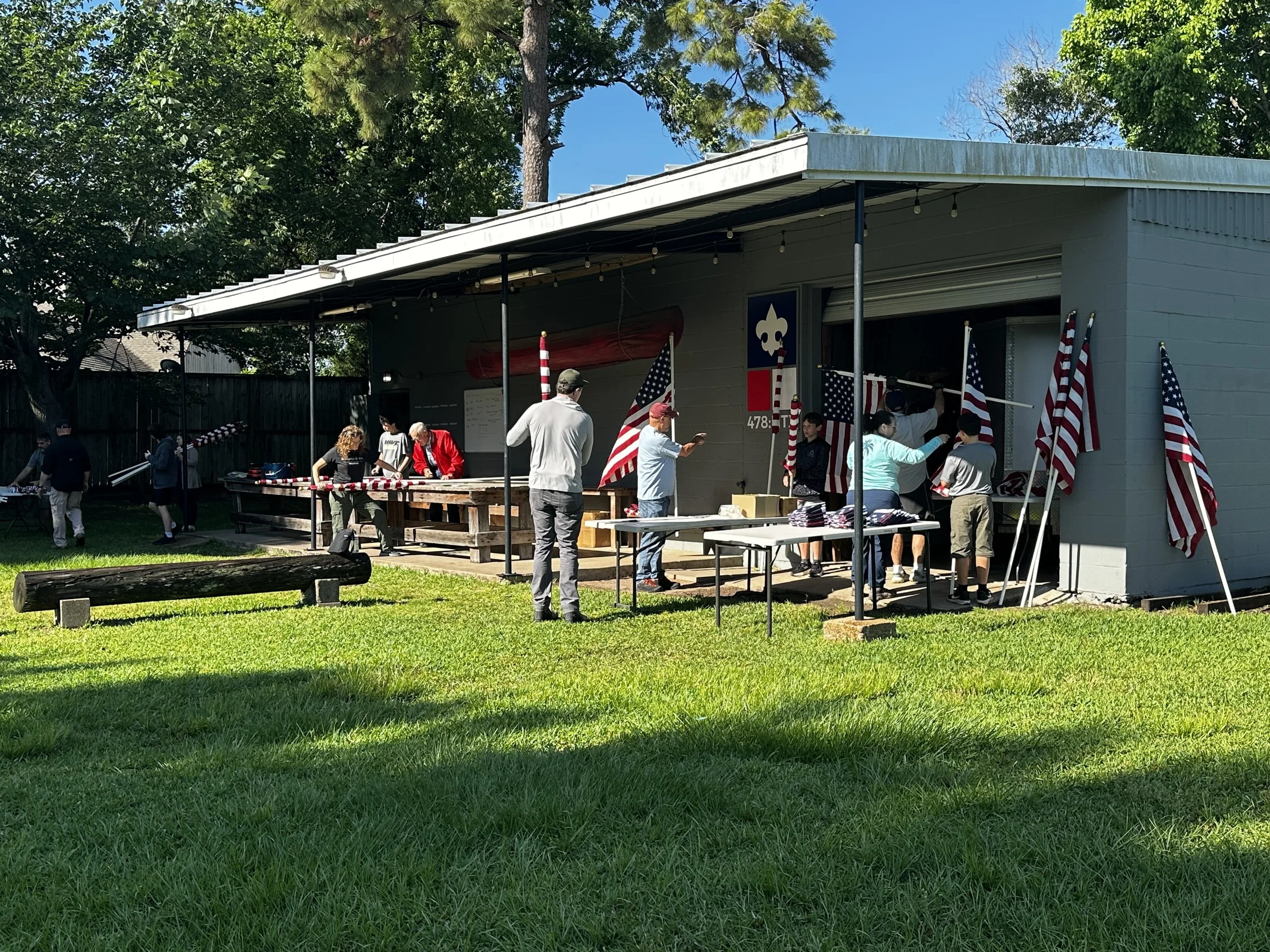
Flag Fundraiser
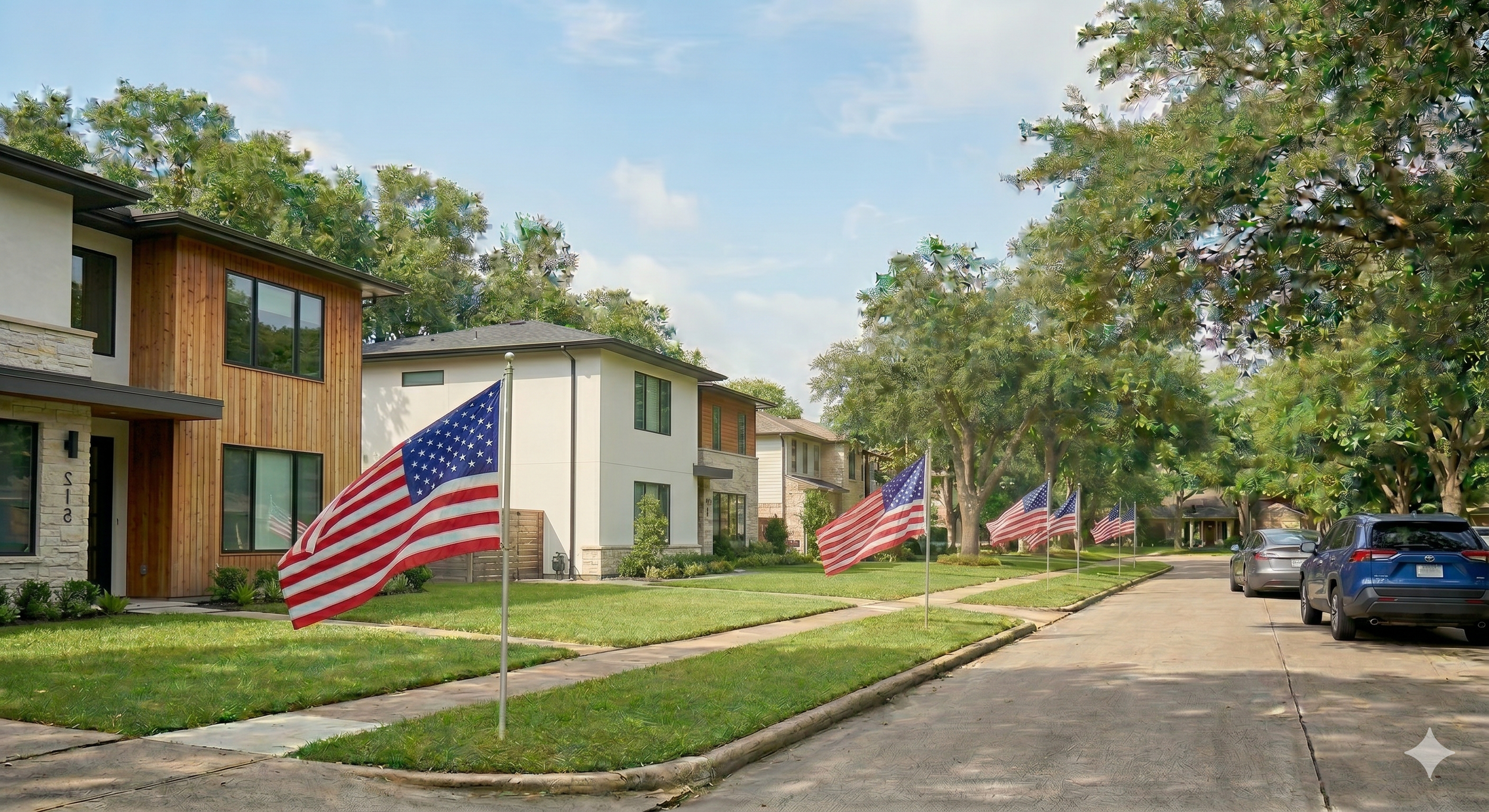
We are able to keep our participant costs among the lowest in Houston through our annual Flag Program.
For a nominal donation, our Scouts place 3’x5’ American flags in area front yards for Memorial Day, Independence Day, and Veterans Day. We currently service 500+ homes in the greater Spring Branch area.